
If you’d told me a year ago that we’d be preparing to release our first real game—Oathbound—and launching a website for our studio, I’d probably have shrugged, nodded enthusiastically… and then immediately gone back to tinkering in yet another half-finished prototype.
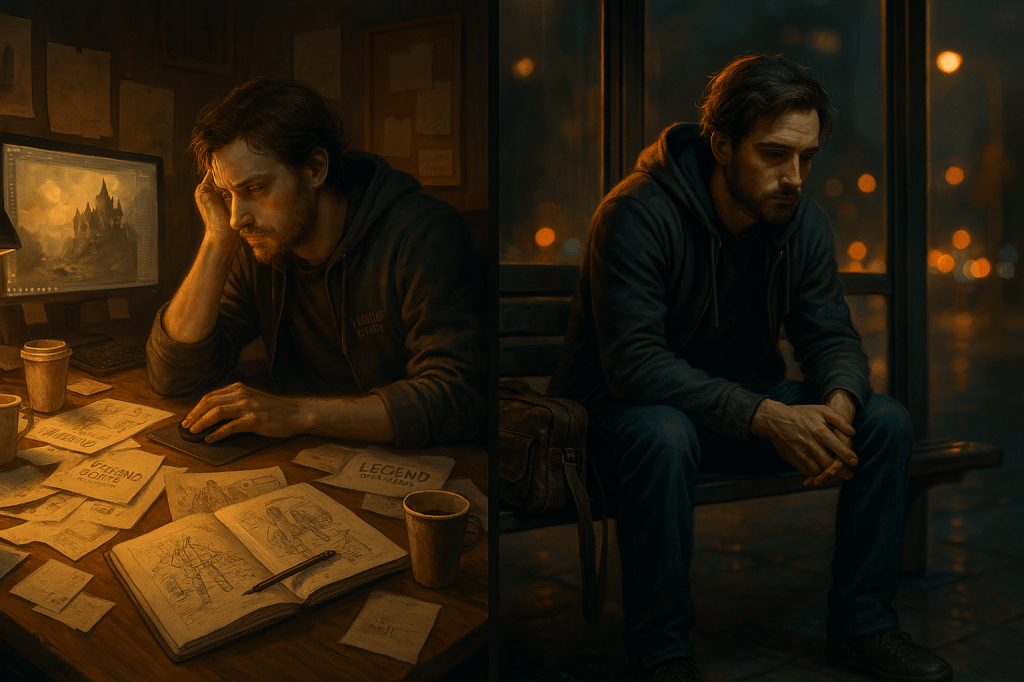
Because for a long time, that’s what game dev was for me: tinkering. Starting things, experimenting, getting excited, hitting a wall, and then moving on to the next shiny idea. Sound familiar?
But this past year, something changed. I stopped just playing around with making games—and started actually producing them.
And that shift? It made all the difference.
The Difference Between “Working on a Game” and “Making a Game”
Look, there’s nothing wrong with learning by doing. In fact, that’s how most of us get into game dev in the first place. You build a movement controller, throw in some Synty assets (you know how we do), maybe mess around with a quest system, and it feels great!
But eventually, if you want to grow—really grow—you have to cross a line:
You have to start finishing things.
Even if it’s small. Even if it’s messy. Even if it’s not your magnum opus.
For me, the turning point was treating my work like something worth completing, instead of something I’d get around to “someday.”
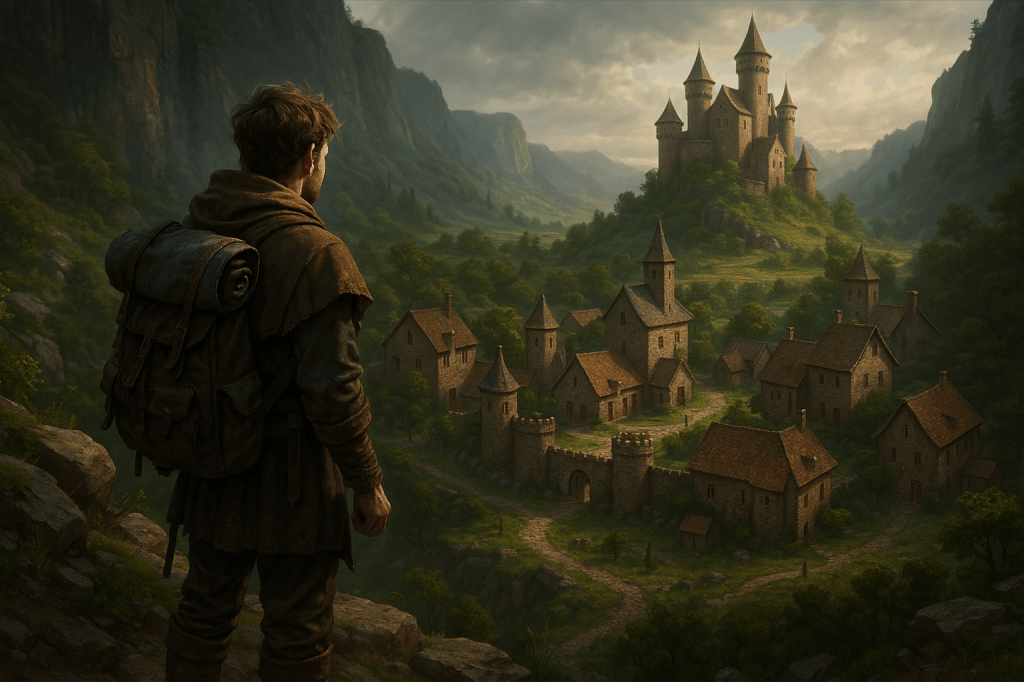
That decision led directly to Oathbound, the first release from Legend Games. It’s an adventure-puzzle game built in Unity 3D, using the tools, workflows, and visual style we’ve grown into over the past year. It’s far from perfect—but it’s ours. It’s done. And soon, it’ll be out there.
What Happens When You Start Finishing Games
Since making that mindset shift, my skills have leveled up across the board:
- Design thinking: I’ve learned how to scope realistically, make better level layouts, and understand how players actually experience a game—not just how I think they will.
- Workflow: I’m 10x faster in Unity. I know my toolset, I build smarter, I optimize as I go.
- Art and UI: Not a master by any means, but I’ve developed a strong sense of style and usability—something you only get by building full, playable systems.
- Project management: You can’t finish a game without learning how to manage your time, cut scope, and push through that “this sucks” phase.
And maybe the most important part? I’ve learned to trust myself.
Because now, I don’t just think I can make games—I know I can.
And you can too.
You Don’t Need Permission to Start (Or Finish)
I want to say this as clearly as possible: you don’t need to wait until you’re “ready” to make your first finished game.
You just need to commit to building something that someone else can play—and then do it.
That first finished project doesn’t have to be big. In fact, it shouldn’t be. Keep it simple. Keep it focused. But finish it. Release it. Learn from it. Repeat.
The distance between “game dev enthusiast” and “game dev” is shorter than you think—it’s just finishing something.
My 3 Best Tips for Actually Producing Games
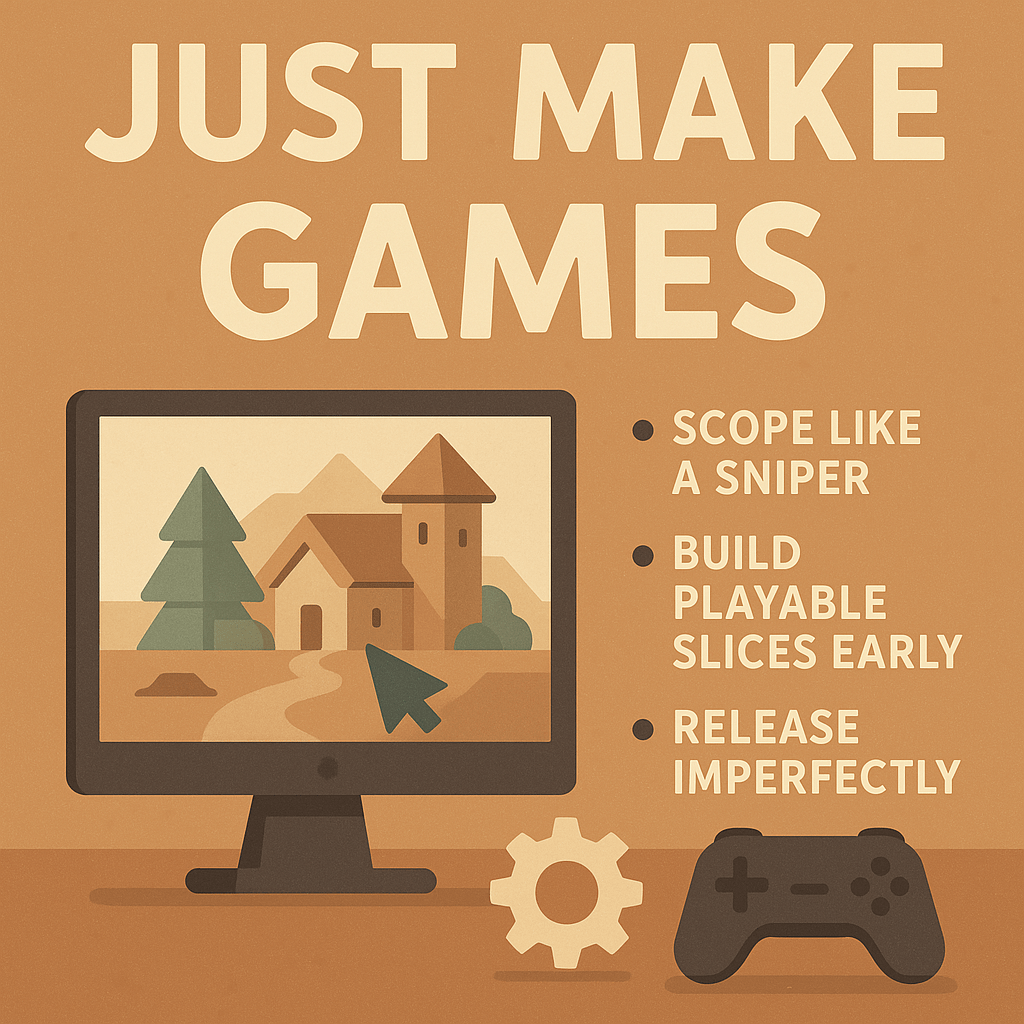
1. Scope Like a Sniper
The number one killer of game projects? Over-scoping.
Start with one core mechanic and a strong vibe. Then build only what supports that. Can you make a one-hour experience that feels complete? Great. That’s your game.
Cut features ruthlessly. Think “tight and playable” over “massive and half-baked.”
2. Build Playable Slices Early
From the start, aim to get something playable as soon as possible. Even if it’s ugly. Even if it’s buggy.
There’s nothing more motivating (or educational) than seeing your work come to life. Plus, it helps you identify problems early—and keeps you focused on the player experience, not just the code or visuals.
3. Release Imperfectly
Perfectionism is the enemy. Polish matters, sure—but not at the expense of shipping.
Put your game out there. Even if it’s small. Even if it’s just on Itch.io or to a group of friends. Every release is a stepping stone, and every stepping stone gets you closer to the games you really want to make.
Final Thoughts
If you’re deep in the trenches of prototyping, experimenting, or stuck in tutorial limbo—let this be your sign: it’s time to make something playable. Something finishable. Something yours.
Oathbound is that project for us. It’s the first of many. We’re launching our site, building a community, and stepping fully into what Legend Games is meant to be.
Not because we’re experts—but because we finished something.
So can you.
Now go make your game.
– Legend Games

 Legend games
Leave a comment