
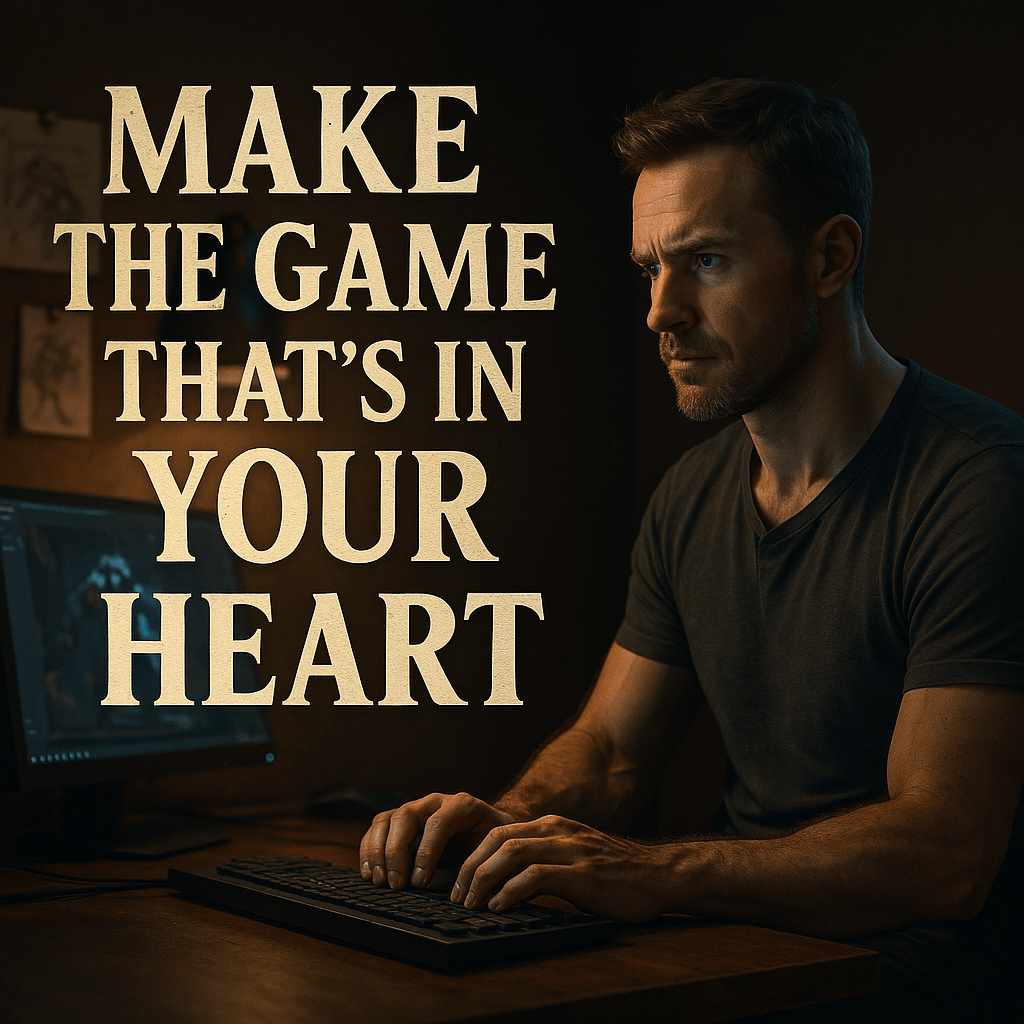
Game development is one of the most magical and brutal creative pursuits out there. One day, you’re designing a level and thinking “this might be the best idea I’ve ever had”. The next, you’re staring at your screen, wondering if you even belong in this industry.
If you’ve ever been there—you’re not alone.
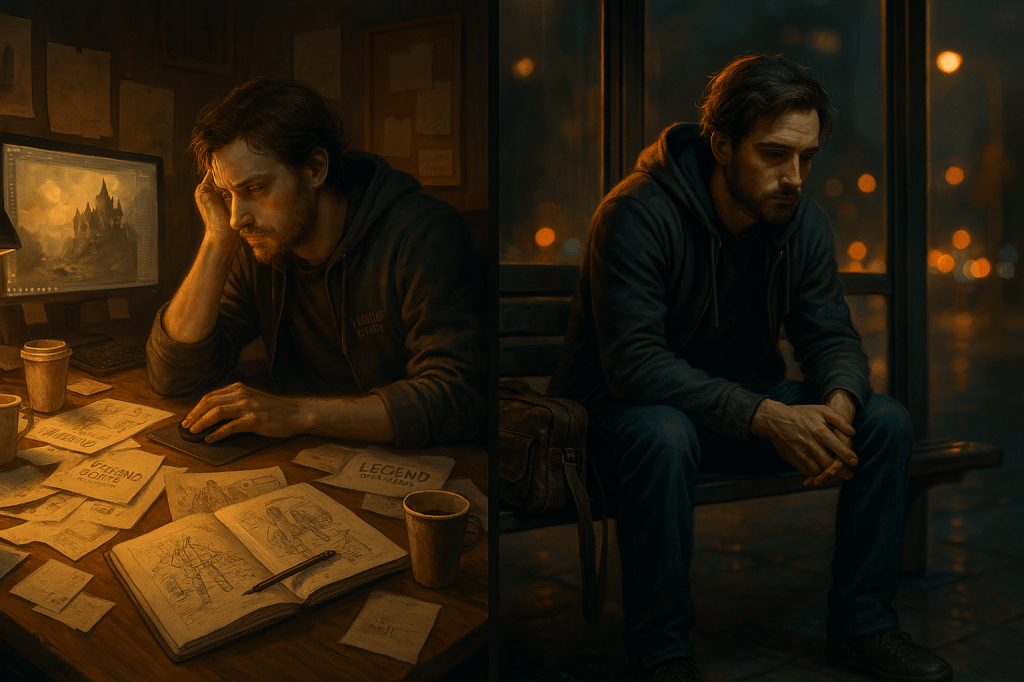
Whether you’re self-taught, part-time, full-time, or still trying to finish your first prototype, there’s a voice that creeps in for all of us:
“Am I good enough?”
“Do real developers do it this way?”
“Is this worth it?”
We’re here to tell you: yes. You are. And it is.
Let’s talk about it.
🤖 Impostor Syndrome Is Real (and Common)
If you’ve ever felt like you’re faking it, that someone’s going to “find you out,” or that everyone else seems to know what they’re doing—you’re experiencing impostor syndrome.
It’s the quiet killer of creativity. And in game dev, where every new problem feels like a puzzle you’ve never seen before, it thrives.
But here’s the truth:
Most devs feel like impostors at some point.
Even the professionals. Even the veterans.
Especially the ones who care.
If you’re feeling that doubt, it’s not a sign that you’re not a dev—it’s a sign that you’re invested. That you want to do well. That you love what you’re making.
💻 “Self-Taught” Is Still Taught
There’s a weird kind of shame sometimes around being self-taught. Like if you didn’t go to school for computer science, your code doesn’t count.
Let me say this loud and clear:
Self-taught developers are some of the most resourceful, creative, and dedicated people in this industry.
You had to teach yourself logic. You learned how to debug without a professor. You built systems by trial, error, and passion. That’s grit. That’s courage.
It doesn’t matter how you got here. What matters is that you’re here.
💭 The Fear of Judgment
We don’t talk about it enough, but one of the scariest parts of being a developer—especially an indie dev—is the vulnerability of putting something out into the world.
It’s a weird mix of:
- “What if they hate it?”
- “What if no one plays it?”
- “What if I’m not good enough?”
That fear can freeze you. It can stop you from finishing. From sharing. From even starting.
But here’s the other side of that fear:
What if someone needs your game?
What if someone feels seen by your story?
What if your weird little world becomes someone’s favorite memory?
You’ll never know if you don’t put it out there.
❤️ Make the Game That’s in Your Heart
This is where everything flips.
There are games we make because they’re smart ideas. Because they’re trending. Because they might sell.
And then there are the games that come from somewhere deeper.
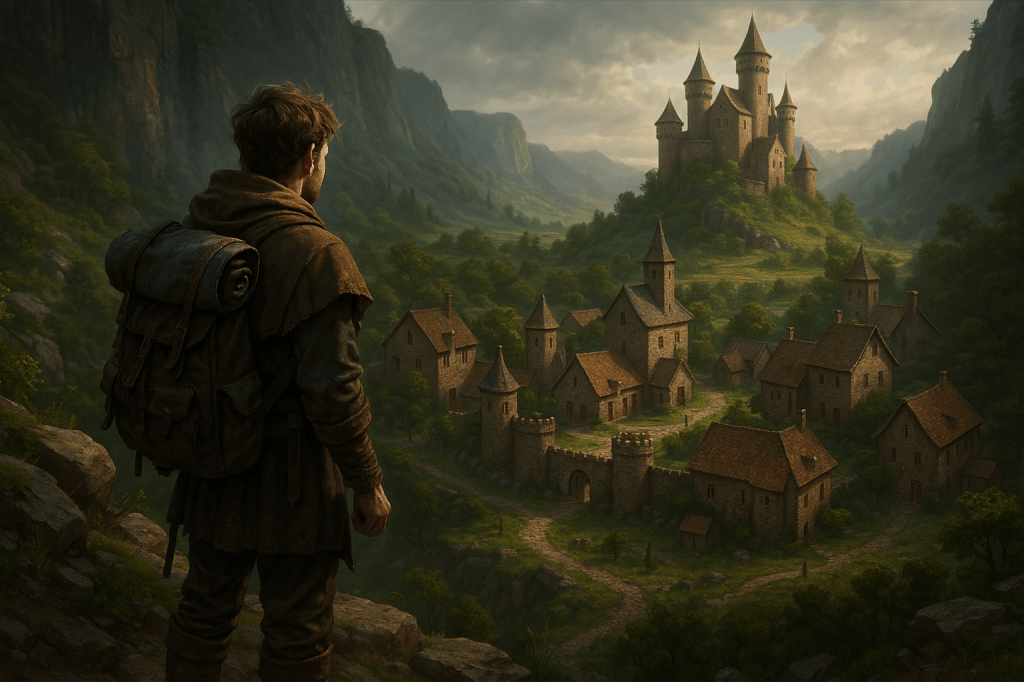
The ones that started as a sketch in a notebook or a world you imagined as a kid.
The ones that feel alive before you’ve even opened Unity.
Those games? They matter.
They’re not always market-tested. They might not go viral.
But they are yours. And when a game is made from your heart, people can feel it.
You’ll care more. You’ll push through the bugs. You’ll finish it, not because it’s perfect, but because it’s true.
That’s where the magic is.
✨ Final Words from Legend Games
We’ve felt the imposter syndrome. We’ve been afraid of being judged. We’ve questioned whether we’re good enough.
But we’ve also learned this:
Game development isn’t about being perfect. It’s about being brave.
If you’re making a game—no matter how small, messy, or weird—you are doing something extraordinary.
You are creating something from nothing.
You are building a world where someone might feel seen, safe, or inspired.
So make the game that’s in your heart.
Make the one you can’t stop thinking about.
Make the one that feels a little scary to share—because that’s probably the one that matters most.
You’re not just a game developer.
You’re a storyteller. A protector. A dreamer.
And you belong here.
– Legend Games

 Legend games
Leave a comment