
When you think about great video game worlds, it’s easy to jump straight to the big names: sprawling open worlds, endless maps, thousands of side quests. Skyrim. The Witcher. Baldur’s Gate 3.
Those games are masterpieces—but they’re also made by teams of hundreds with budgets in the tens of millions.
For indie devs, the temptation to compete at that scale is real. You want to build a world people can lose themselves in. You want your game to matter.
But here’s the truth we’ve come to embrace at Legend Games:
You don’t need a massive world. You just need a meaningful one.
And in many cases? Smaller worlds are better.
🎯 Small Worlds, Big Impact
A “small” world isn’t a limitation. It’s a design choice. It gives you the freedom to craft tighter experiences, richer lore, and emotional depth without burning out or losing focus.
Think of it this way:
- A massive world encourages exploration.
- A smaller world encourages intimacy.
In a compact space, players start to recognize landmarks, feel attached to NPCs, and understand the world like it’s theirs.
That’s the kind of connection you want.
🔍 Focus Creates Depth
One of the best things about smaller worlds is that you can pour more love into every corner.
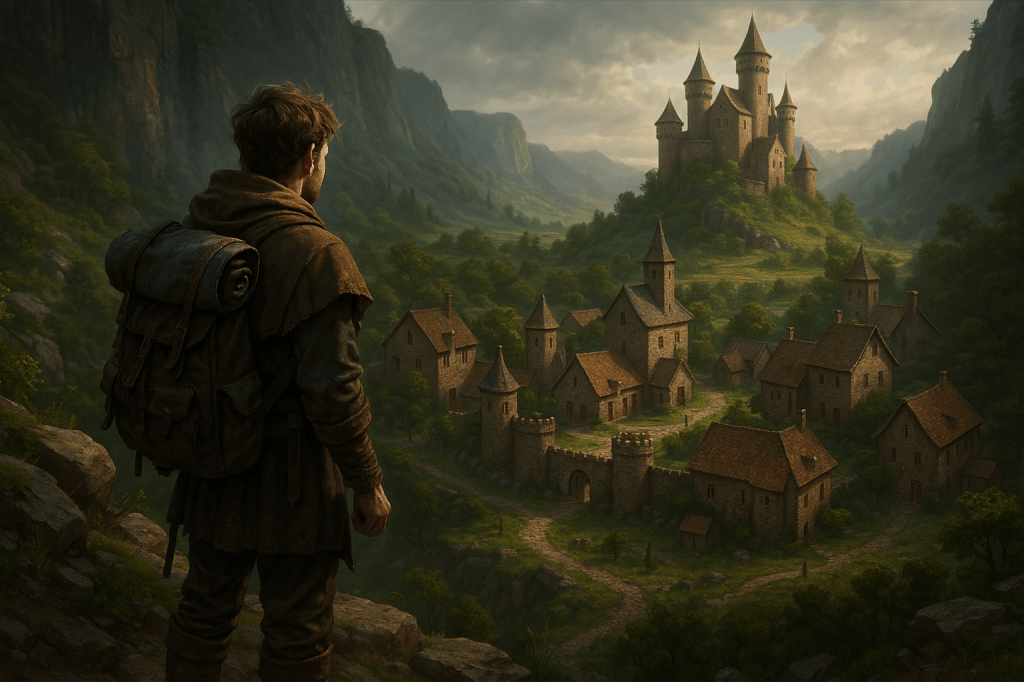
Instead of 100 caves, you make one cave unforgettable.
Instead of a dozen towns, you build one village that evolves as the story unfolds.
You’re not spreading yourself thin. You’re investing in what matters.
In a small world, every object, every character, every detail can mean something.
💡 Creative Constraints Lead to Innovation
Working within a smaller scope forces you to get clever.
You start asking:
- How can we reuse this space in a new way?
- What happens if the world changes based on player choices?
- Can we layer story, puzzle, and exploration into one area?
These questions lead to better design—not just more content.
Games like Inside, Tunic, and A Short Hike are perfect examples. Small worlds, tight mechanics, unforgettable experiences.
💬 Storytelling That Stays with Players
In a smaller world, the story doesn’t get buried. You have space to let it breathe, grow, and hit the player in the heart.
- Side characters become memorable.
- The environment tells a story.
- Choices feel like they matter, because you’re close enough to see the consequences.
At Legend Games, we’ve learned that worldbuilding isn’t about square mileage. It’s about emotional mileage. It’s about meaning.
🛠 How to Make a Small World Work
Here are a few practical tips to help you embrace small world design:
1. Design Your World Around a Core Theme
Ask: What do I want players to feel in this world?
Then cut anything that doesn’t serve that.
2. Layer Mechanics in One Place
Use the same space for puzzles, dialogue, combat, and lore—over time. Reuse creatively.
3. Make Every Area Count
Treat every zone like it’s someone’s favorite part of the game. Even the quiet ones.
4. Change the World Over Time
Players notice and appreciate changes. Time of day, consequences, NPC behavior—small shifts make big impact.
5. Lean on Atmosphere
A foggy graveyard with a single statue can say more than a 20-room dungeon. Use lighting, sound, and storytelling to amplify every space.
✨ Final Thoughts from Legend Games
Big worlds are impressive. But small worlds can be intimate, powerful, and deeply personal.
They ask the player to slow down, look closer, and care more.
So if you’re an indie dev feeling pressure to build something huge—pause. Think smaller. Think sharper. Build a world that feels real, not because it’s big—but because it’s alive.
Your world doesn’t need to be endless.
It just needs to matter.
– Legend Games

 Legend games
Leave a comment