

Let’s be real: Elden Ring is a masterpiece.
It’s massive. It’s cryptic. It’s brutal. It’s beautiful.
And for a lot of indie devs, it might feel completely out of reach in terms of scale, budget, and team size.
But here’s the surprising truth: Elden Ring isn’t just something to admire from a distance—it’s something we can learn from, borrow from, and even apply at our indie scale.
At Legend Games, we’re all about crafting meaningful experiences through focused design, powerful story moments, and player-driven exploration. And in Elden Ring, those principles shine in ways that any developer can take notes from.
So let’s talk about the lessons this epic RPG can teach us—no giant open world required.
🧭 1. Let Players Choose Their Path (Even If It’s the Wrong One)
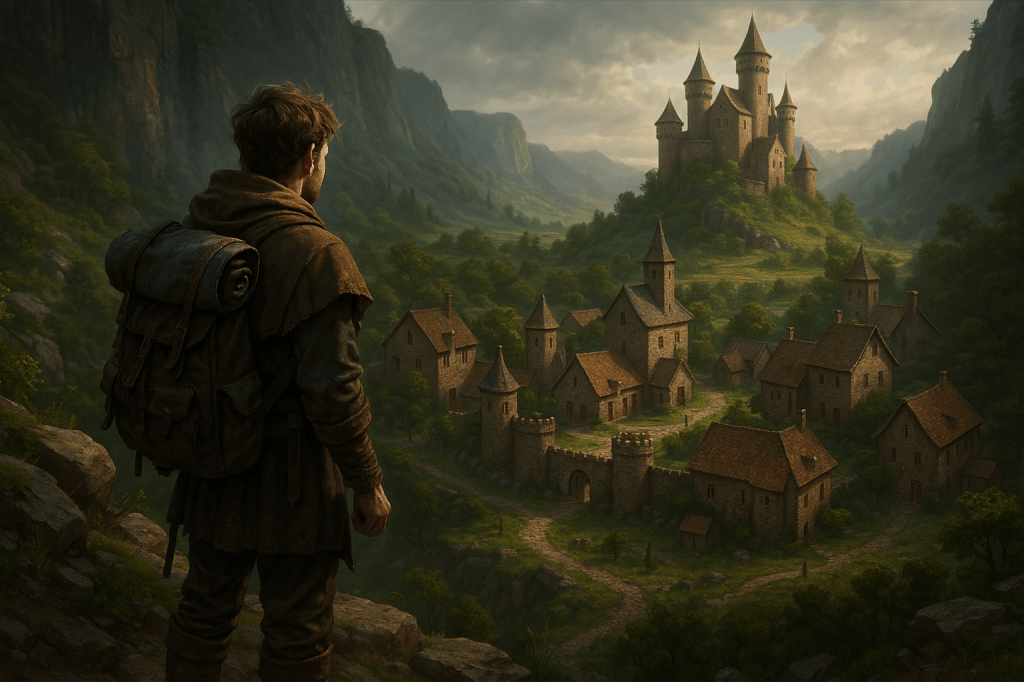
Elden Ring doesn’t hold your hand. From the moment you step into The Lands Between, you’re free to explore, fight, flee, or fall straight into a poison swamp with no warning.
And that freedom? That’s where the magic lives.
You don’t need a 100-hour game to give players agency.
You just need to trust them.
Lesson: Players value autonomy over safety.
Even small choices—where to go, who to talk to, what to interact with—give players a sense of ownership.
Indie Dev Tip:
Let the player “get it wrong” sometimes. Failure teaches. Wrong turns create stories. It’s okay if your game lets players go off the beaten path—as long as what they find is interesting.
🎁 2. Reward Curiosity, Not Just Progress
One of Elden Ring’s biggest strengths is how it rewards curiosity.
There’s a thrill in finding a cave hidden behind an illusionary wall, or stumbling upon a strange NPC with cryptic dialogue. The best rewards often aren’t gold or gear—they’re discovery.
And you can do this without a massive world.
Lesson: Intrigue and mystery are powerful rewards.
Make players feel smart for finding something others might miss.
Indie Dev Tip:
Hide story fragments, unique interactions, or small lore moments in quiet corners. Use environmental storytelling, not just exposition. A strange statue, a broken sword in a grave—these tell stories without a word.
📖 3. Build Story Through Atmosphere, Not Just Dialogue
Elden Ring doesn’t give you a cinematic every ten minutes. It builds its story through:
- Architecture
- Item descriptions
- Weather, music, and silence
- Cryptic, emotional moments
The world feels ancient. Tragic. Heavy. And it never has to tell you that directly.
Lesson: Not every story needs to be explained.
Sometimes, mystery creates stronger engagement than exposition.
Indie Dev Tip:
Don’t be afraid to let your world speak for itself. What does the broken bridge tell us? Why is the village abandoned? Why is that door sealed shut? Players will fill in the blanks—and that makes them part of the story.
🧠 4. Don’t Over-Tutorial—Let Players Learn Through Play
Elden Ring gives you a basic tutorial and then expects you to pay attention. It trusts players to learn from their experiences, not just from tooltips.
As indies, we often feel pressure to over-explain—but that can break immersion.
Lesson: Trust your players.
Let them connect dots. Let them experiment. Let them fail forward.
Indie Dev Tip:
Design intuitive feedback. If the player does something “wrong,” show them why it didn’t work—then let them try again. Empower experimentation instead of fearing it.
⚔️ 5. Tension + Payoff = Satisfaction
There are moments in Elden Ring where you push through a brutal stretch of gameplay… and at the end, there’s not just a boss fight—but a breathtaking vista, a stunning reveal, or a piece of lore that makes everything click.
That kind of payoff sticks with players.
Lesson: Hard-earned moments hit harder.
Whether it’s a big narrative beat or a small character scene, timing matters.
Indie Dev Tip:
Build tension. Don’t give players the reward immediately. Let them work for it, then deliver something that feels earned—even if it’s just an emotional moment, a secret, or a haunting visual.
✨ Final Thoughts from Legend Games
You don’t have to build an Elden Ring-sized game to learn from its brilliance.
At its heart, Elden Ring succeeds because it trusts its players, respects their curiosity, and tells its story through everything—not just dialogue.
Those are tools any indie dev can wield.
So build the world you dream of.
Let your players explore it.
And remember—it doesn’t have to be big.
It just has to be alive.
– Legend Games


 Legend games
Leave a comment